
Brand safety has become too easy a way to avoid the harder conversation
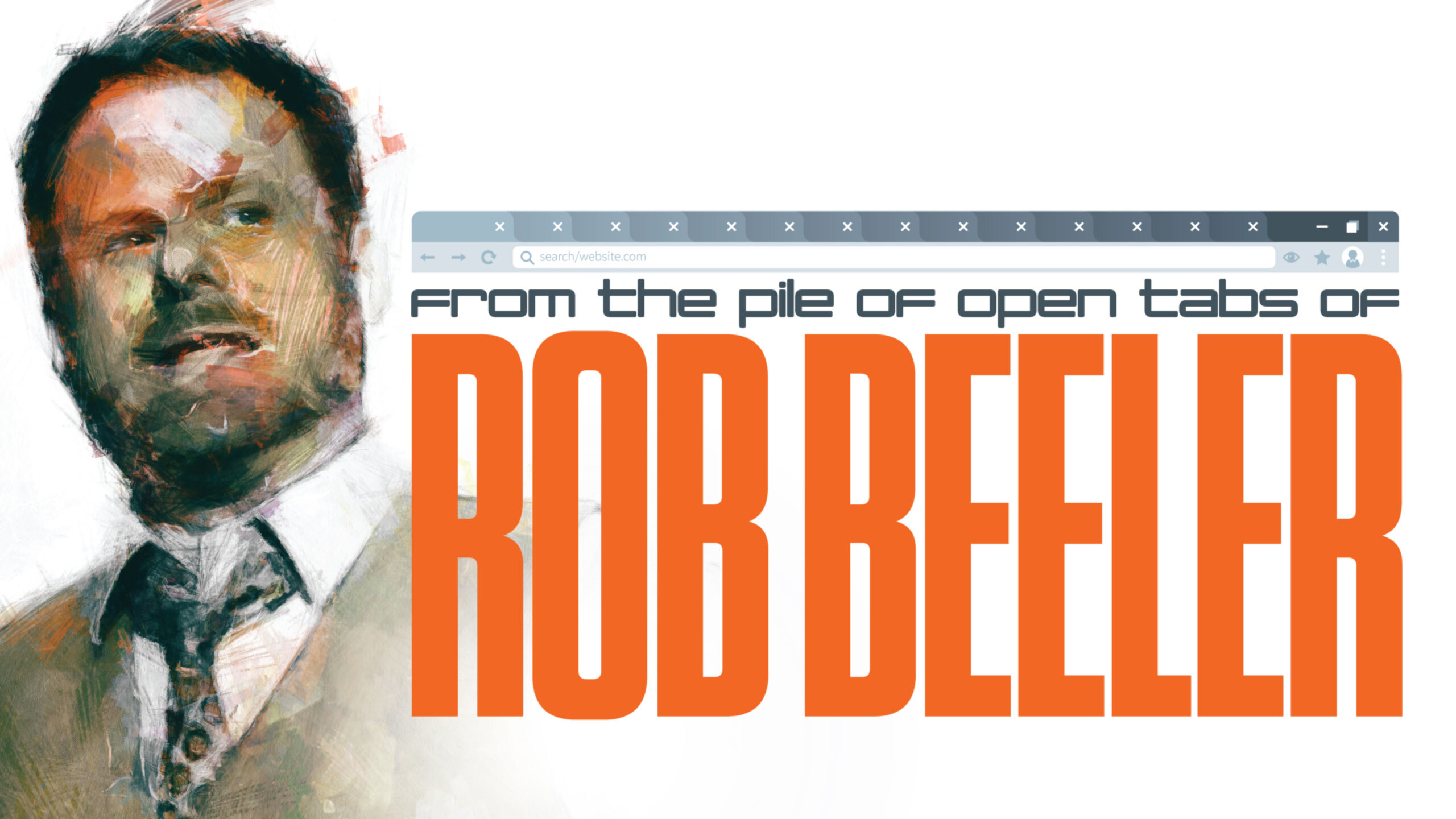
BY ROB BEELER, BEELER.TECH
We have spent years talking about brand safety as if the central problem is technical.
It is not.
The tools matter. Suitability matters. Brands have every right to care about where they appear. But too much of this conversation still gets reduced to settings, exclusions, and default choices that let everyone stop short of the harder question: what decisions are we actually making about journalism, and are those decisions any smarter than the shortcuts we have gotten comfortable with? 
That is where I think this conversation keeps falling apart.
Because once brand safety gets framed as a mechanism, it becomes very easy to leave the mechanism unexamined. A buyer can say the controls are in place. An agency can say it is following policy. A publisher can point to the damage and still struggle to change the outcome. And the larger pattern stays intact: trusted journalism gets treated as more dangerous than it is, and serious reporting becomes harder to monetize than it should be. 
That is part of why we created The Navigator Award, which will be presented to publisher-nominated brands and agencies at Navigator New York and Navigator London later this year.
The industry doesn’t need more hardware, but we do need more examples of people making better decisions.
What has been missing is visibility into what is actually happening
There are brands that do not know they are not appearing in news environments. Between the agency, the technology, and the way media gets bought, they may simply have no idea. That matters, because a company cannot make an intentional decision if it does not know a decision has already been made on its behalf. 
What has also been missing is a basic acknowledgment from both sides that this should be solvable.
Publishers understand that brands need safety and suitability. This is not a case of publishers pretending those concerns are fake. The problem is that the response is often broader than it needs to be, and the result is a missed opportunity for brands as much as for publishers. Push too far toward the safest possible environments and you limit what your business can do, who you reach, and what you learn about what actually performs.
And then there is the part people tend to avoid saying out loud.
The standards applied to publisher environments are not always applied evenly across the rest of the internet. Content that would never appear on a premium publisher site can exist quite comfortably on social platforms, and yet publishers often get treated with the same blunt mechanism. In practice, it becomes very easy to click a box that says you do not want to appear next to news and move on with your day. That may reduce one kind of headache. It does not mean the decision is thoughtful. 
That is another thing missing from the conversation: the willingness to admit that avoiding news is often the easiest choice, not the smartest one.
If you have nearly unlimited supply elsewhere, you can skip news and still spend your budget. You can still hit delivery goals. What you cannot know is whether that choice hurt performance, limited reach, or cut you off from an audience you actually wanted. You are no longer making a business decision based on what works. You are making one based on what might be awkward to explain.
I am not making a moral argument that brands exist to fund democracy
That has never felt like the right frame to me.
If you are trying to sell toilet paper, sell toilet paper. But the people reading the news also use toilet paper. They are still consumers. They are still making choices. They are still worth reaching. And there is plenty of evidence that people in those environments buy things, respond to advertising, and do not process adjacency in the exaggerated way this conversation often assumes. Yes, you can always find the screenshot that looks awkward. That is not the same thing as how people actually experience media. 
So this is not about guilt.
It is about decision-making. It is about whether brands and agencies are approaching journalism as a category to avoid by default or as a trusted environment worth navigating with some judgment.
The Navigator Award came from a simple thought
For all the talk around brand safety, a lot of the proposed answers are negative.
Educate buyers. Pressure tech companies. Point out what is broken again. Some of that has value, but it did not feel like enough. I wanted to add something positive to a tough conversation. I wanted a way for publishers to say: we see the brands and agencies making the harder choice, and we want to recognize them.
That is what The Navigator Award is for.
It is publisher-nominated by design. I did not want this to become a standard awards program where people pay to enter, pay to promote themselves, and pay again to celebrate winning. That would distort the point. This starts with publishers because publishers know who has shown up with real intentionality. They know who has had the tougher conversation. They know who made room for journalism when it would have been easier to walk away.
And intentionality is the key word here.
I am not looking for a clever case study about how someone used brand safety technology. To be clear, this is not against the technology. It is about the thinking before and after it. It is about a knowing decision to be in a kind of content, support a kind of reporting, or make sure a message appears in an environment that matters.
That can take different forms.
A publisher may bring an advertiser a difficult reporting initiative and find a partner willing to support it because they believe the work matters. A buyer may realize they value news environments and take the extra steps to make sure they actually show up there. A brand or agency may recognize that they were missing an audience they wanted because of the way brand safety controls were being applied. Those are the kinds of stories worth surfacing. 
The brand safety conversation must go somewhere more useful
At the broadest level, brands and publishers are dealing with a version of the same challenge: both want to build a relationship with people. Brands want to be chosen. Publishers want to be chosen. Both need trust. Both need connection. And both are operating in an internet environment that is getting more intermediated, more automated, and less direct. 
That is why this conversation is bigger than brand safety settings.
As more consumer experiences get filtered through AI systems and platforms, brands risk becoming less known and publishers risk becoming less visited. Trusted relationships matter more in that world, not less. People will keep seeking out information they trust. Publishers can offer that. Brands say they want to be authentic and trusted. If that is true, then trusted environments should matter more to them as well. 
So where do I want this to go?
Toward a more common understanding that this is resolvable.
Toward more business decisions and fewer fear decisions.
Toward a market where supporting journalism does not require heroics, just judgment.
And, frankly, toward a world where we have to spend a lot less time talking about this because brands, agencies, and publishers have gotten better at working it through together.
Industry argument to recognized business practice
I also hope we get to a place where brand safety becomes less of a recurring industry argument and more of a resolved business practice. Brands and publishers are trying to solve for a version of the same thing: trust, connection, and the chance to be chosen. In a market where more of the consumer relationship is being mediated by platforms, automation, and AI, that should push us toward better judgment, not more distance.
Trusted journalism is one of the few environments where that trust is built in.
Brands that say they want to be known, credible, and chosen should take that seriously. And publishers who have seen partners do that well should say so.
Again, that is the point of The Navigator Award: to make practical examples easier to see, easier to learn from, and easier to repeat, not congratulating the industry for noticing a problem it has been discussing for years. If we do that well, maybe this becomes one of those topics we finally need to spend a lot less time talking about.
If we do that well, maybe the best outcome is that this stops being such a big conversation at all.